How to Maintain and When to Replace Them?
Rubber seals play a key role in protecting cars from harmful factors. They provide insulation and prevent moisture, dust, dirt and other contaminants from entering the vehicle. Over time seals can become damaged due to weather conditions, temperature fluctuations and general wear, including constant opening and closing of doors. Regular care and maintenance is extremely important to detect signs of wear, cracks and other damage.
The role of automotive seals
Inspecting and protecting seals in vehicles is an investment that helps them last longer and continue to perform their functions, such as:
Keeping the interior of the car dry
Rubber seals create a tight protection around windows, doors, sunroofs and trunks, preventing water from entering the car cabin. They also protect the vehicle's electrical components. Moisture accumulating inside the vehicle can shorten the lifespan of upholstery and carpets, and cause problems such as mold and rust. Keeping the interior dry is also extremely important when using a car wash.
Noise reduction
Well-maintained seals minimize vibrations and eliminate whistling noises of air from outside. They create a tight barrier between different parts of the car and between the vehicle interior and the external environment.
Maintaining the temperature inside the vehicle
Proper care of seals prevents outside air from entering and helps maintain a comfortable temperature during travel. Any leaks worsen the insulation of the interior, causing the cabin to cool down or warm up more slowly, which in turn also contributes to greater fuel consumption.
Why do rubber seals get damaged and how to prevent it?
Deterioration of rubber seals can occur under the influence of many external factors, including heat, sunlight, temperature fluctuations (sun rays in summer, subzero temperatures in winter) or other environmental conditions. Rubber also degrades due to aggressive chemical agents used, for example, during each car wash.
Excessive heat causes shortening of molecular chains, which results in stretching of the material after cooling. Seals become brittle and crack. Extreme cold makes them stiff and brittle, which in turn leads to cracks and leaks. Exposure to ultraviolet radiation can cause hardening, crumbling and cracking, and even fading of rubber elements. Oxygen causes loss of rubber elasticity. This is a gradual process, but it can be accelerated by UV radiation and high temperatures. Each of these factors negatively affects the lifespan of seals.
To take care of automotive seals it is enough to regularly inspect and maintain them, which prevents costly repairs and replacements.
Signs of wear of automotive seals
We present the most common signs of wear of rubber seals, here they are:
- water ingress into the vehicle interior
- appearance of moisture around windows
- vehicle corrosion
- unpleasant smell of mold after rainfall
- perceptible air whistling
- excessive noise
- accumulation of contaminants (dirt gathers along the edges of doors, windows, trunk seals)
Maintenance of automotive seals is a way to revitalize and restore them to optimal condition. Unfortunately, some seals that have undergone significant degradation, are torn and have large losses must be replaced with new ones.
A worn automotive seal may sometimes lose elasticity, harden, crack or deform, which leads to deterioration of tightness. Visible damage, leaks, deformations and signs of material aging are signals that the seal should be thoroughly inspected, and in the case of significant degradation consider its replacement or remanufacture.
Seal maintenance in the car - Why is it so important?
Maintenance of seals is necessary to preserve their integrity and functionality. Application of specialized silicone-based preparations (spray silicone) or technical petroleum jelly can provide an additional protective barrier against environmental factors.
Remember that door seals, sunroof seals, window seals, trunk seals - are rubber elements that play a key role in ensuring comfort and safety. They have been specially designed to prevent water and contaminants from entering the cabin.
Why is it worth checking and caring for seals?
Worn and faulty seals can cause leaks, and thus:
-
water getting inside, which can increase the risk of damage to electrical components and contribute to mold growth, e.g. on upholstery
-
reduce the effectiveness of the air conditioning by allowing cool air to escape
-
increase road noise, thus reducing driving comfort
-
accumulation of dirt that obstructs drain channels
-
in winter - cause frozen seals to prevent opening the car doors
-
reduce interior insulation and negatively affect proper closing of doors or the trunk
These are just a few main reasons why the appearance of seals should be taken care of.
How to properly care for seals?
At Power Rubber we recommend proper cleaning and maintenance of seals. For regular cleaning use a mild detergent, water with soap or specialized agents. In the case of rubber seals, remember to avoid using aggressive chemical agents that can worsen the condition of the seals. Remove all dirt with a soft sponge or cloth. After thoroughly cleaning the automotive seals and rinsing off soap residues, simply wipe them with a cloth and apply an appropriate protective preparation, preferably silicone-based.
Why is it worth maintaining seals?
Damaged seals due to neglect or aging lose their effectiveness and watertightness. A seal maintenance product nourishes them and also protects the rubber from drying out, cracking under the influence of atmospheric conditions, including sunlight and positive and negative temperatures.
By spending a little time on care and maintenance we ensure that seals retain their durability and functionality. Using easy-to-use protective preparations extends their life. Seals regain their elasticity and beautiful black color.
Here are some reasons why it is worth maintaining seals:
-
preventing signs of wear such as: cracking, tearing, gaps
-
the car is not exposed to moisture and fogging
-
proper closing of doors and trunk
-
maintained watertightness of windows
-
proper interior insulation (the vehicle cools down or heats up quickly)
-
lower fuel consumption
-
reduction of road noise
-
proper tightness and safety of the entire car
-
effective protection of seals against freezing
-
saving money (seals have a longer service life)
How to protect seals in the car for winter?
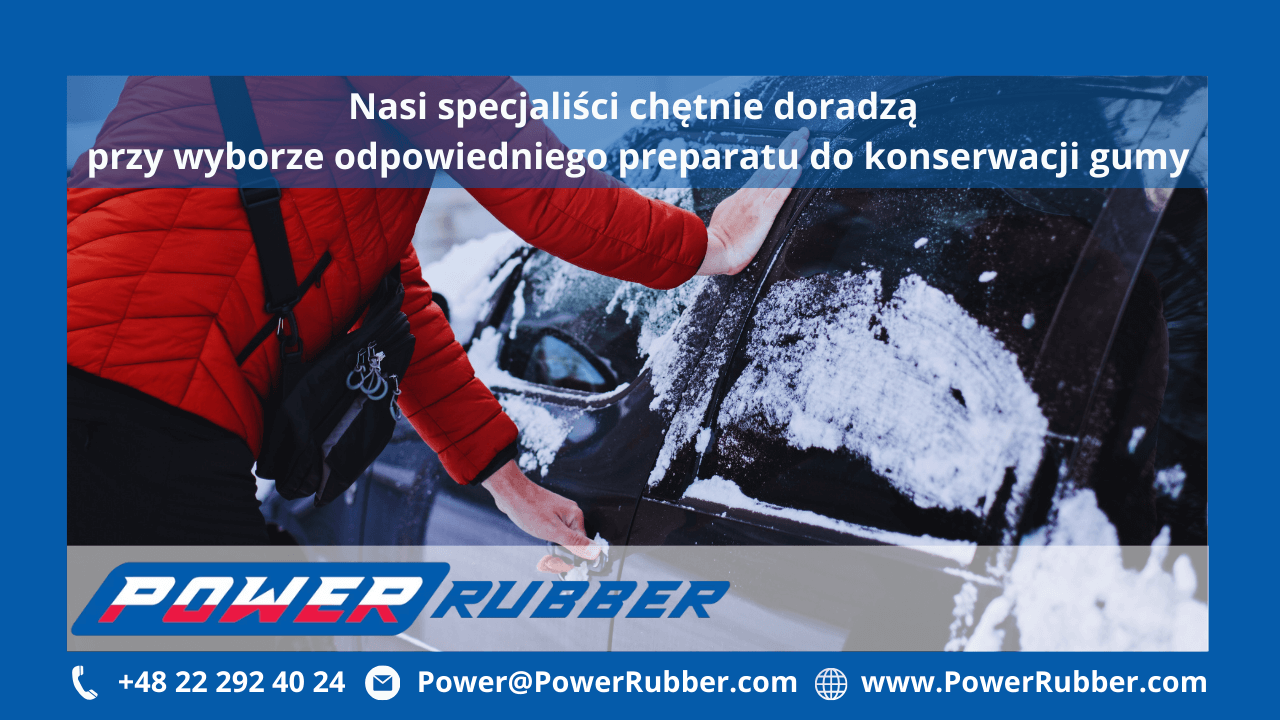
Extreme weather conditions can expose rubber seals to serious damage (tearing, cracking), which in turn can cause moisture from snow and rain to enter the cabin. If water collects around seals, frost will cause them to freeze. Frozen seals can lead to difficulties in opening doors and damage to the handle when attempting to open them repeatedly.
Protecting the seal from low temperatures and freezing
Low temperatures make rubber elements more stiff and brittle and prone to tearing and ripping. So what is an effective way to protect seals in winter?
When the winter season approaches, it is natural to change the washer fluid from summer to winter. When the door lock starts to freeze, a special de-icer can be used to defrost the door. So why not prevent seal freezing in advance?
An effective way to maintain the elasticity of rubber elements and protect them from low temperatures is to use a special spray silicone - a maintenance and care preparation that prevents rubber from drying out and cracking and protects it from crumbling, freezing and sticking.
What to grease seals in the car with?
If you are wondering what to protect the seals in the car with, below we present the best methods, here they are:
Technical petroleum jelly
Technical petroleum jelly is a preparation with hydrophobic properties that effectively protects against moisture. It has the consistency of hard butter. It creates a protective layer that prevents drying, crumbling, cracking, discoloration, and also prevents rubber elements from freezing. During application, a thin layer of petroleum jelly should be massaged into the material and evenly spread over its surface.
Silicone for automotive seals
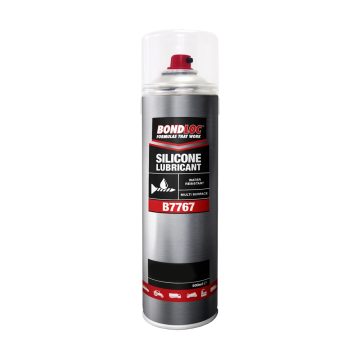
Spray silicone is a specialized preparation that has been developed to be ideal for the care and protection of rubber seals. The product is intended for lubricating, sealing, refreshing and maintaining various types of surfaces. It reduces friction and prevents wear. It creates a protective barrier against external factors, is water-resistant, protects metals from rust and corrosion and withstands extreme temperatures. The preparation does not stick to the bodywork and does not soil it. Simply spray a thin layer of the product onto the selected surface from a distance of 15-30 cm and leave to dry. The action can be repeated several times by applying thin layers of the preparation.
If you are looking for a proven way to protect rubber seals from atmospheric factors, feel free to contact us:
By phone:
By email: