Rubber mats under the pool
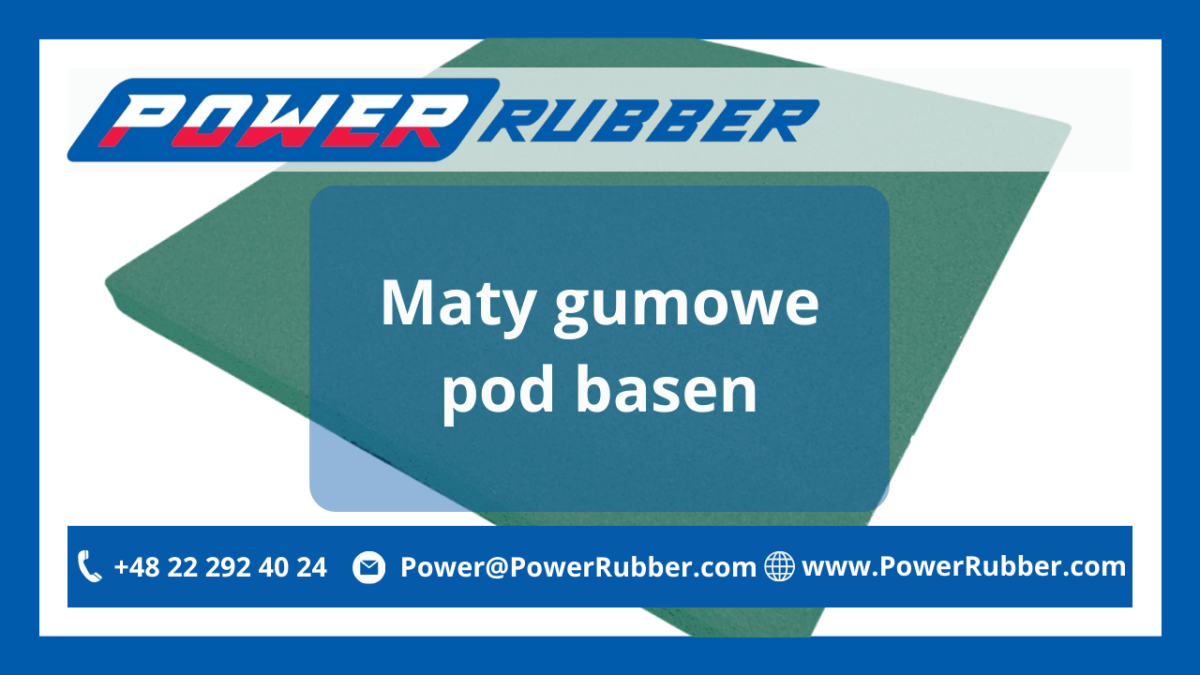
A pool mat is a great way to protect the bottom of the pool from abrasion. It insulates the pool floor from hard and sharp stones that can easily damage the structure. The mat is also useful as a place to stand before entering the pool. Such a pool mat will allow you to leave your flip-flops and safely immerse yourself in the water. Pool mat also slows down the cooling of the water in the tank. The better we take care of our pool, the longer we will be able to enjoy wonderful fun in the garden retreat.
Types of garden pools
- Frame pool - has walls supported by a durable and sturdy frame; thanks to such a construction it will serve us for years. However, it requires an even and hard base. The floor must rest on a stable surface. Their price compared to others is higher, but this is also associated with greater durability.
- Pressure (self-supporting) pool - This is one of the most popular pool models. Their prices are affordable, matching the quality. They have a reinforced bottom and are made of multilayer material. Thanks to such a construction they allow laying them on an uneven surface. They are designed to use the natural pressure of the water pressing against the pool walls. Because of that, the structure is rigid and stable. They are manufactured in many capacity variants.
- Inflatable pool - their huge popularity comes from the fact that they are very affordable, but also from the fact that their constructions are quite easy to assemble and disassemble. All this makes them suitable as seasonal pools for people who do not have large plot areas or simply want to move the pool to another place. They are constructed from very resistant material, and thanks to the “pump” that is very easy to install, inflating them takes literally a few moments. The only downside of such a pool is capacity, which is why they are usually intended only for children.
- Permanently built-in pool - as the name suggests, this is a type of pool that is placed permanently in the ground. Therefore we need a fairly large area. In addition, it requires large financial expenditures. Its advantages, of course, are aesthetic values and freedom in its size and shape. Owning such a pool also increases the value of the property it is on. The cost of such a pool depends on many factors: finishing, water filtration method, area, selected materials and labor, which is largely dependent on the type of ground.
Pool mat and its types:
Puzzle-type mat
Its intense colors make the puzzle mat a very original and interesting addition to the pool. Its shape attracts everyone's eye, making no one pass by your pool indifferently.
Puzzle mats can be bought in various sizes and configured in many different ways. You can build a path leading to your pool from them. Thanks to this, you can walk barefoot in the garden without fear of contaminating your pool with fragments of grass or sand. This means greater comfort and freedom in using your pool.
As a universal product, the puzzle mat can also be used to secure the area where your children play. This way they will be safe, and you will be able to enjoy moments spent with your family. This product is also great for protecting the bottom of the pool. We can secure almost any shaped pool with it. As you can see, the mat will find application in many places. So if you are interested in a universal product that will meet your expectations, these mats are for you. Trusted partners and their offers will allow you to choose wisely. You will surely find something for yourself.
Universal pool mat
This type of mat fits every type of pool: frame, pressure (self-supporting), inflatable. These are very practical mats that will come in handy on many occasions. It does not matter whether you are planning family gatherings or a garden party with friends. You will surely find a use for a universal mat. It is great as a pool underlay. With such a mat the bottom of the pool will be wonderfully protected.
Hygienic pool mat
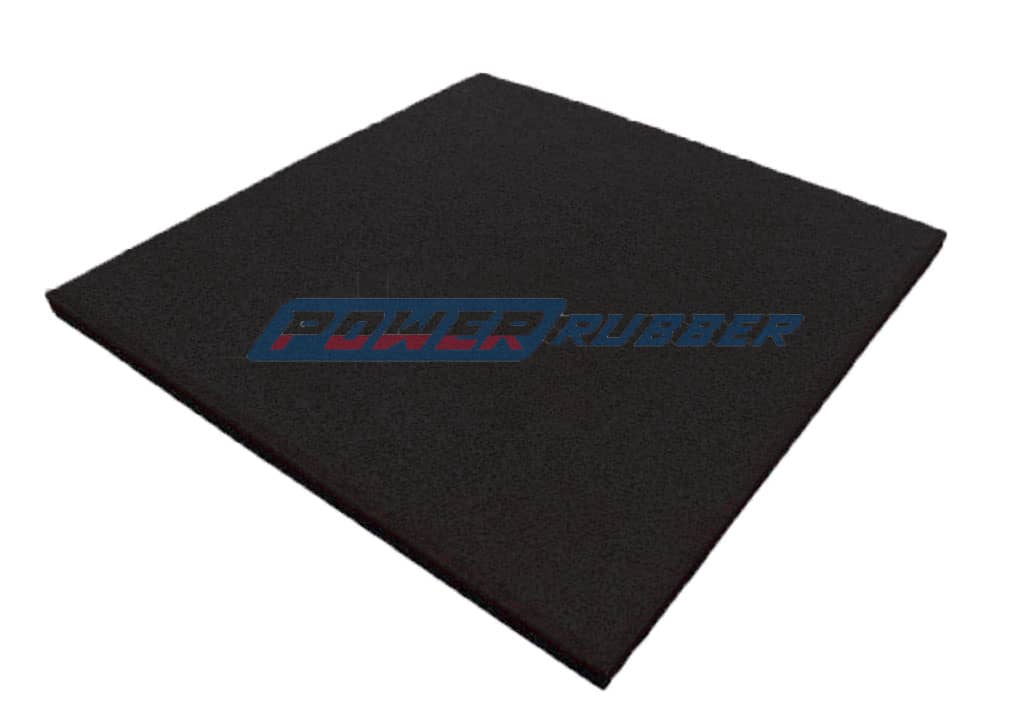
The mat protects against the possibility of slipping on wet surfaces. This type of mat is perfectly suited to secure a pool, sauna, changing rooms or a terrace. It will also find use as an anti-slip mat for a shower in the bathroom or a mat for a fitness club, as well as a mat for a solarium. It is made of environmentally friendly materials that are resistant to low and high temperatures, which is why it can also be used as a pool mat. It also secures the bottom of the pool so you do not slip while in the water. The mats are resistant to cracking and prolonged contact with water. They are soft and pleasant to the touch. We should also remember that this type of mat is an essential product for employees to feel good and safe. In any place where we are exposed to contact with water or moisture, the mat helps streamline work and minimize the risk of injuries to a minimum.
More information about the application of hygienic mats can be found in the article antibacterial and antifungal pool mats.
Garden pools and their advantages
Due to climate changes in our country, hot summers occur practically every year. Therefore, an inflatable pool is an ideal solution for hot days. Setting it up in the garden does not take much time, and thanks to it we will be able to cool down on hot days and also relax after a hard day's work. We can also choose an inflatable pool with a slightly greater depth which, in turn, will allow us to enjoy a pleasant physical activity such as swimming.
How to take care of a garden pool?
There are a few basic rules that will allow you to enjoy a garden pool for a long time:
- regularly clean the bottom of the pool; small grains of sand often settle on it which can cut feet,
- a protective tarp is also very useful, which we can use to cover the pool surface,
- it is worth placing the pool on an even and clean ground. Rocky and uneven surfaces can easily damage the pool structure. This can be prevented by using appropriate pool underlays. These mats will protect the material from which the pool is made and will also serve as a kind of insulation from the substrate,
- read the instructions and follow their recommendations exactly,
- do not leave water in the pool for the winter period; frozen water has sharp edges that can destroy the pool lining,
- do not take sharp tools into the bath with you, which could accidentally cut the material,
- for the winter days, store the pool in a safe place so as not to expose it to low temperatures.
How to heat the water in a garden pool?
- heat exchanger - works on the principle of exchanging thermal energy between two carriers connected to the central heating installation. Few people opt for this solution because it is quite complicated. Especially when they have a temporary pool.
- air heat pump - inexpensive to operate, an ecological solution, but also advanced technology that you can control, e.g., with a smartphone. They are also energy efficient, so even when heating a very large amount of water, you will not be surprised by a high electricity bill. If we also decide on photovoltaic panels, we can expect negligible electricity costs.
- solar collectors - take water from the pool, heat it and then return it to the tank. This is an ecological and energy-efficient device. It uses renewable energy sources.
- flow electric heaters with a controller - this is a solution for small pools, safe and certainly very interesting. The amount of water in this system must be consistent with the maximum capacity of the installed heaters. Due to high operating costs and frequent failures, they are not suitable for heating large pools.
- by laying rubber mats under the pool you can prevent faster cooling of the water; rubber will insulate from the cold ground
Take care of the water in your garden pool
We all know that water in a garden pool gets dirty very quickly. We cannot eliminate the risk of contaminants entering it from the outside. Also, water blooming and the green deposit that appears on the walls and bottom of the pool is a problem. Every store that offers such equipment includes content in their instructions that suggests solutions to these problems.
Most often the store advises cleaning the pool as often as possible. Use readily available chemical agents. You can also vacuum the bottom using special equipment. An effective solution is to connect a filter pump to the pool, which cleans the water continuously. Chlorine is the most popular chemical we use to clean the water. However, it should be remembered that only a specified amount of this fluid should be used. This should also be remembered when choosing mats - not all materials are resistant to chlorine and it may lead to the destruction of the mat.
We guarantee professional technical advice. We invite you to contact us by phone at
+48 22 292 40 24 or +48 505 16 03 03, or by e-mail (Power|PowerRubber.com| style="background-color: rgb(255, 255, 255); color: rgb(0, 91, 171); border-bottom: 1px dotted rgb(0, 91, 171); text-align: justify;"|Power|PowerRubber.com) or through our contact form.