Rubber mats for playgrounds: SBR or EPDM?
Playground mats for Children are a very important and key element of playground equipment. They are elements that affect safety, but also add cheerful colours. Thus, there are two types of tiles on the market:
In this guide we explain the difference between these similar but different products, thanks to which colours matter.
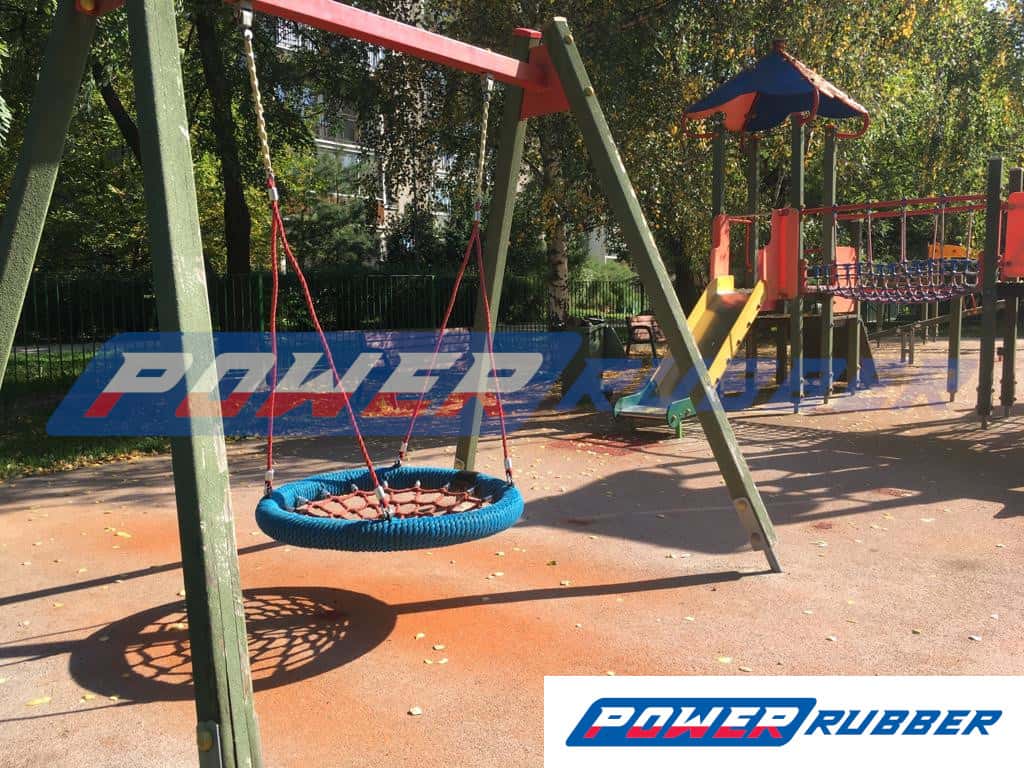
SBR tiles for playgrounds made of synthetic rubber are characterised by high elasticity and abrasion resistance. They have cushioning properties, which reduces the risk of injuries.
EPDM tiles for playgrounds are produced with an SBR granulate base, which preserves the cushioning properties.
The tile is finished with an EPDM top layer, which gives it higher resistance to temperature fluctuations as well as the effects of water and sunlight.
So what is the difference between SBR and EPDM tiles?
The differences are visible to the naked eye in the maintenance of the chosen colour. Thus, mats made from the SBR rubber compound, one of the cheapest compounds available on the market, have a shorter colour durability than the more expensive version of tiles made from the EPDM compound.
How long, then, do the colours last on the different types of playground mats?
Estimated time to retain the original appearance for each type:
- SBR: 2 years
- EPDM: 5 years
The price difference, which favours the product made from SBR granulate, also affects its durability.
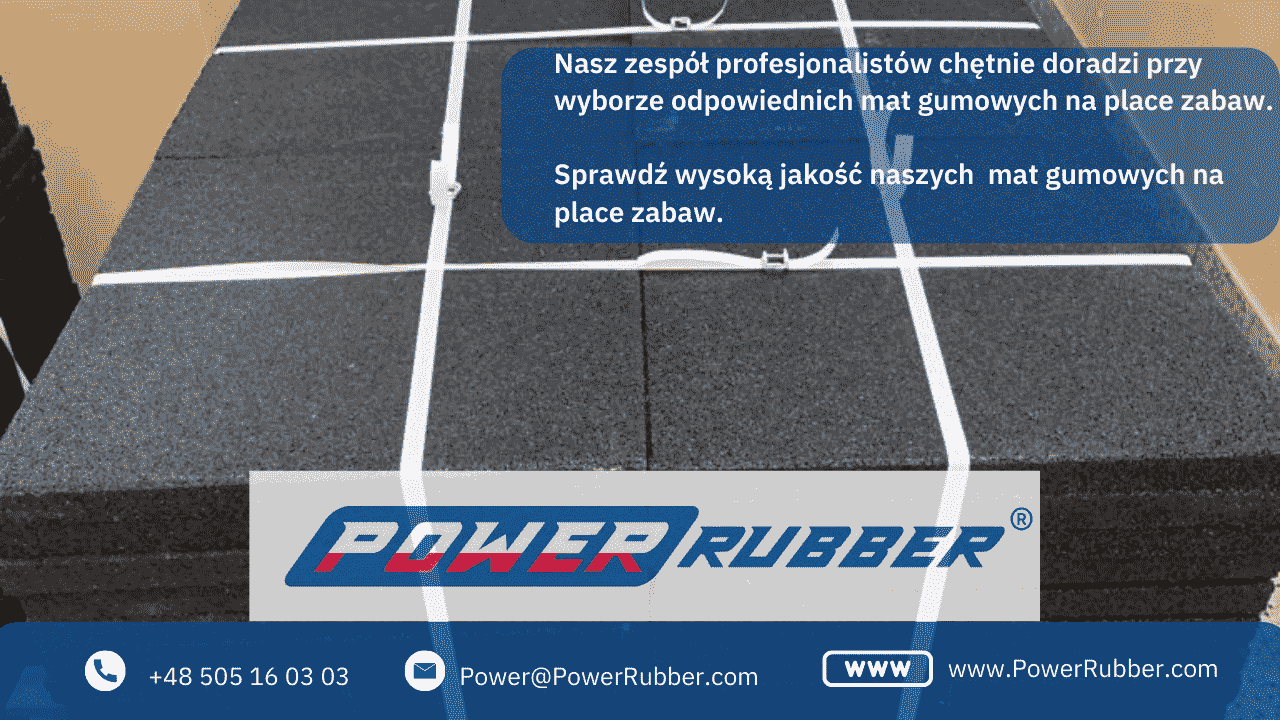
The choice of the appropriate surface depends on the purpose of the playground, the required cushioning and the conditions in which it will be used. In Power Rubber's offer you will find playground mats made from SBR and EPDM granulate.
If you do not know which solution will be suitable for a specific investment, contact us by phone at: +48 22 292 40 24 or +48 505 16 03 03, or by e-mail (Power|PowerRubber.com| style="background-color: rgb(255, 255, 255); color: rgb(0, 91, 171); border-bottom: 1px dotted rgb(0, 91, 171); text-align: justify;"|Power|PowerRubber.com) or via our contact form.
We will help select the type, thickness and variant of the surface for the planned application.