Hydraulic seals
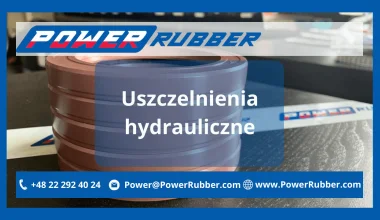
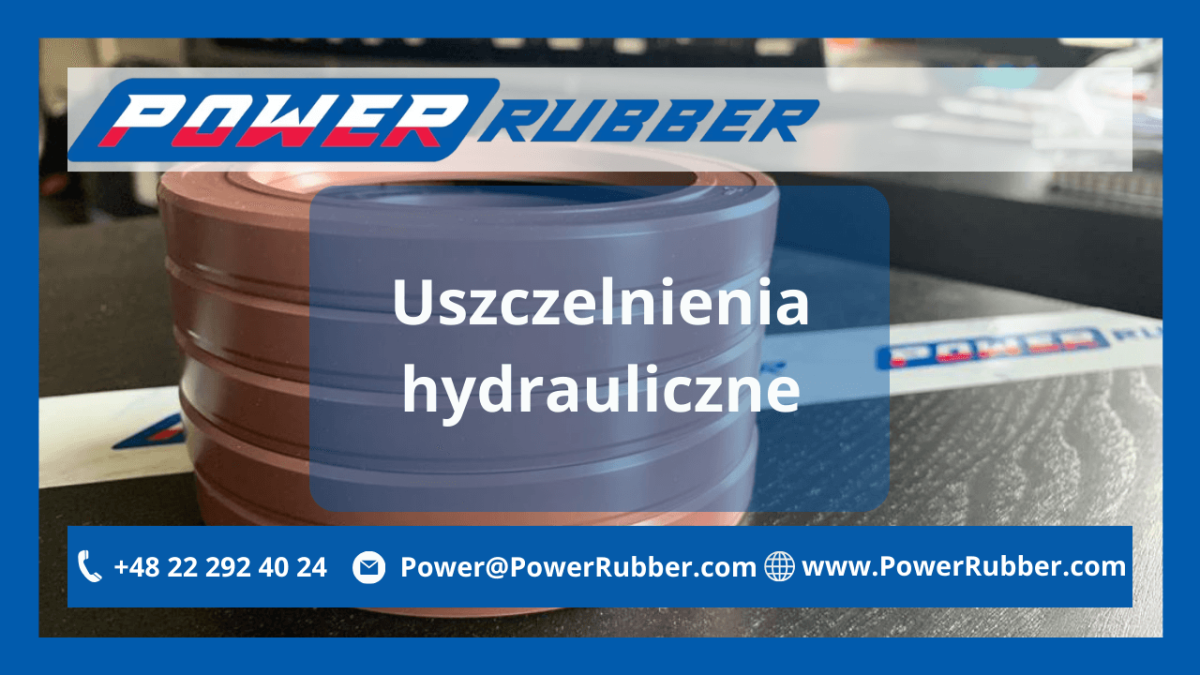
In fluid technology, all hydraulic seals play an extremely important role; they are responsible for protecting all machine components so that no fluids leak. This is of great importance in automotive, construction and agriculture, because it is precisely seals for hydraulic cylinders that ensure the safe operation of these machines.
Guide rings for piston rods
Guide rings do not serve as the primary sealing element. Their task is to guide the piston or piston rod in the cylinder and to limit contact between metal surfaces, especially when transverse loads occur. By providing proper guidance they reduce the risk of uneven wear of cylinder components and support the correct operation of the system.
Hydraulic rings for gland seals
Seals mounted in hydraulic glands operate under piston rod movement conditions, so they must maintain tightness while minimizing friction and wear. When selecting them, one should consider the piston rod diameter, bore diameter, pressure and operating temperature, speed of movement and type of hydraulic medium. A properly selected gland seal reduces the risk of oil leakage and extends the correct operation of the cylinder. Choosing the right hydraulic seals translates into the safety and longevity of the system.
Guide rings
They are characterized by low abrasiveness, which is important given their function as seals for metal-to-metal connections, and by self-lubrication, which makes them ideal as seals for hydraulic and pneumatic cylinders. These rings do not dry out, stick or seize, so they are perfect for sealing in all kinds of machinery.
Wiper rings
They play a very important role in protecting hydraulic systems, because as rings intended for sealing such systems they are responsible for protecting them from all kinds of contamination. Contaminants are the main cause of accelerated wear and malfunction of a seal, as well as cylinder damage. They are equipped with a wiping lip that keeps the inside of the system clean,
Static hydraulic seals
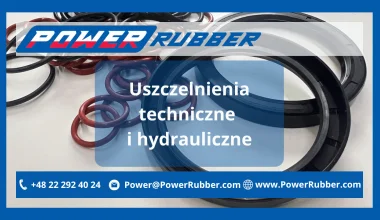
They are intended primarily for sealing joints, where they perform a universal role. For this reason these seals have a range of applications in a wide variety of devices, primarily in drives and control units. These are rings of the O-ring and X-ring types, which both work independently in sealing device components and can be a component of two-piece seals.
O-rings
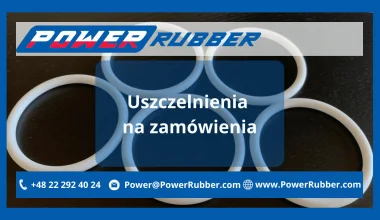
O-rings are among the most commonly used sealing elements in hydraulics. They can be used both in static connections and in selected dynamic applications. Their properties depend on the material used, so when choosing them one should consider, among other things, the type of medium, temperature and operating pressure. In hydraulic systems, O-rings for hydraulic power are often used because of their resistance to many hydraulic oils.
X-rings / Quad-rings
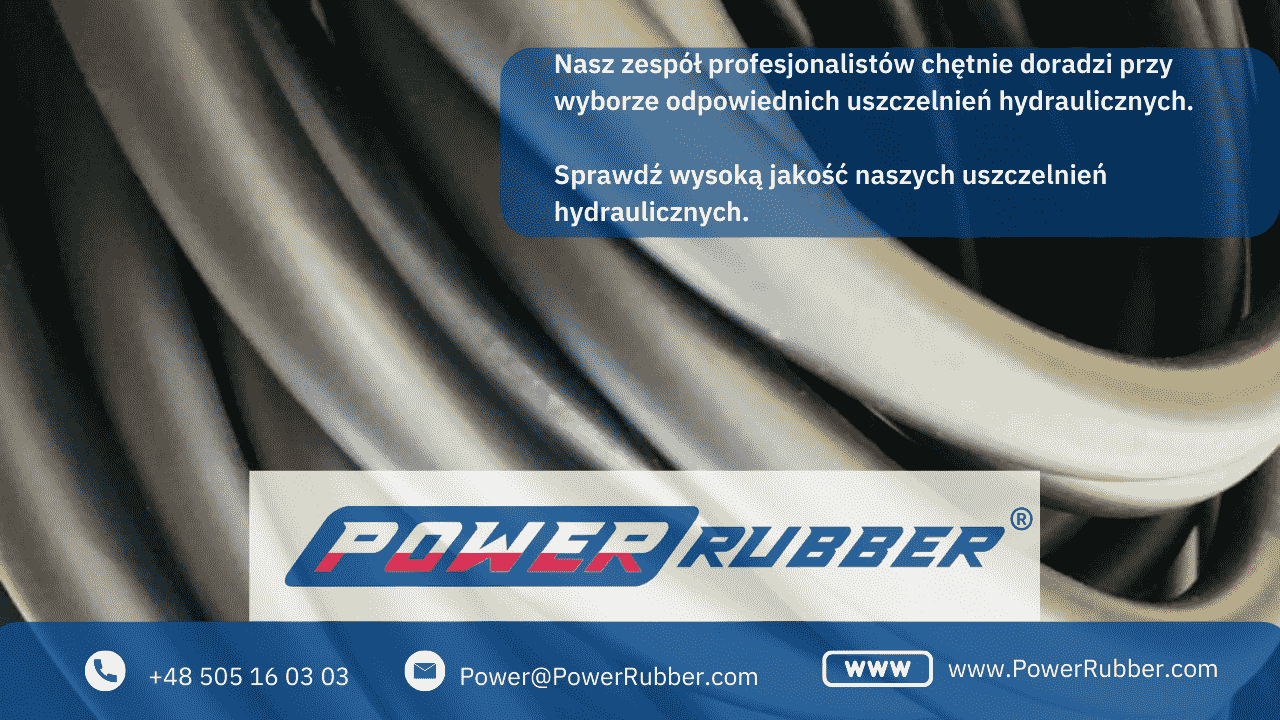
X-rings, also called Quad-rings, have a characteristic cross-section in the shape of the letter "X". This construction provides two sealing points and can reduce the risk of the ring twisting during operation. X-rings are used depending on the design and operating conditions in both static and dynamic seals.
GDS / GDS-OR
GDS / GDS-OR are seals made of polyurethane, used in hydraulic applications that require resistance to wear and pressure. They can be used in both static and dynamic seals, e.g. in cylinders, presses, forklifts and mobile equipment. Exact operating parameters, including allowable pressure and temperature, should be determined each time based on the specifications of the specific seal type.
An alternative to traditional O-rings made of polyurethane, ideal for operation at pressures of up to 500 bar and in the temperature range from –35 °C to +110 °C. It performs well in both static and dynamic seals, e.g. in presses, forklifts and movable devices
How to choose a hydraulic seal?
The selection of a hydraulic seal should take into account several basic parameters:
- the type of element being sealed – e.g. piston, piston rod or static connection,
- the type of movement – static or dynamic, working medium – e.g. hydraulic oil,
- operating pressure,
- operating temperature,
- movement speed of the element,
- seal and groove dimensions.
There is no single universal seal suitable for all hydraulic applications. The material and design of the seal must be selected according to the actual operating conditions of the given system.
Hydraulic seals for cylinders
In the case of a hydraulic cylinder, a seal set may include, among others, a piston seal, rod seal, gland seal, guide rings and wiper rings. Individual elements perform different functions and should be selected as a solution tailored to the construction and operating conditions of a specific cylinder.
Do you need the right hydraulic seal?
The selection of a seal depends, among other things, on its dimensions, type of movement, pressure, temperature and the working medium. If you are not sure which solution will be suitable for your application, contact Power Rubber.
We will help select the appropriate hydraulic seal for a specific cylinder or system.
If you have any questions, please contact us by phone: +48 22 292 40 24 or +48 505 16 03 03, or by e-mail (power|powerrubber.com| style="background-color: rgb(255, 255, 255); color: rgb(0, 91, 171); border-bottom: 1px dotted rgb(0, 91, 171);"|Power|PowerRubber.com) or via our contact form