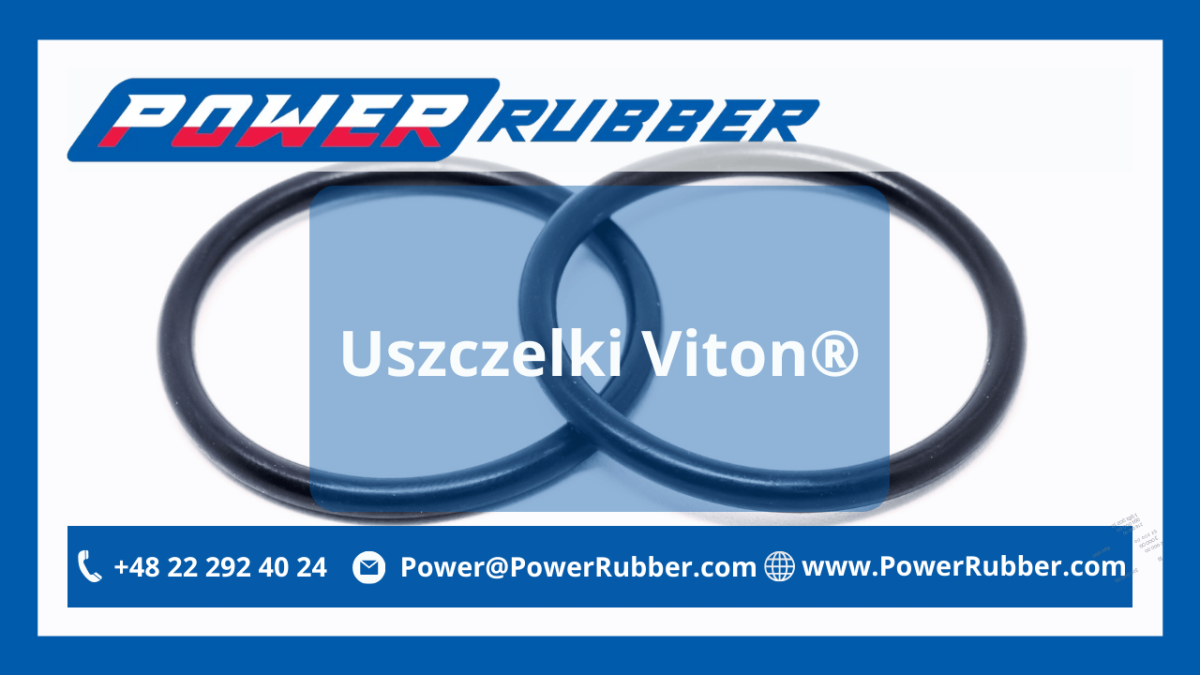
Viton® seals
In engineering considerations, a common problem when designing various solutions is the joining of two elements. Such a connection often requires sealing. In the case of joints that are not exposed to adverse weather conditions, high temperatures, high pressure, or vacuum, the range of possible gaskets that can be used is usually much larger. The problem arises when the joints are characterized by stringent standards resulting from the properties of the device being constructed or maintained. In such cases, there is a need to use high-quality sealing products.
Viton® gasket (FKM/FPM) is a specialist elastomer produced on the basis of fluorinated rubber in the polymerization process of two monomers. This process leads to the formation of a copolymer, for the production of which fluorine is used (most often vinylidene fluoride and hexafluoropropylene, and sometimes vinylidene fluoride and trichloroethylene). The final product carries the name Viton®, registered by the American company Chemours.
Properties of Viton® gaskets
As mentioned earlier, Viton is a fluoropolymer elastomer and a synthetic rubber blend. Gaskets made from fluorinated Viton rubber are used in environments where extreme conditions often occur. O-rings are resistant to ozone, aggressive chemicals, high and low temperatures. The temperature range of products made from Viton rubber ranges from -20°C to +200°C.
Viton seals are characterized by high performance, durability, thermal and chemical resistance, and resistance to swelling, which makes them the best choice for many specialized applications. Thanks to the fluorine content, they are non-flammable. The addition of fluorine also provides product flexibility. Moreover, the material retains its elasticity longer than materials made of rubber.
The Viton material features a number of very desirable properties, such as:
- minimal loss of resistance under the influence of heat,
- very high chemical resistance,
- non-flammability,
- low gas permeability,
- resistance to low-pressure conditions, minimal weight loss of the gasket (vacuum),
- suitability for use in ozone environments,
- resistance to UV radiation,
- resistance to aromatic hydrocarbons.
For clarity, aromatic hydrocarbons are homologues of the simplest aromatic compound, benzene. It is worth adding that inorganic acids do not affect the properties of FKM gaskets, and the products have self-lubricating properties.
What to remember when choosing a gasket?
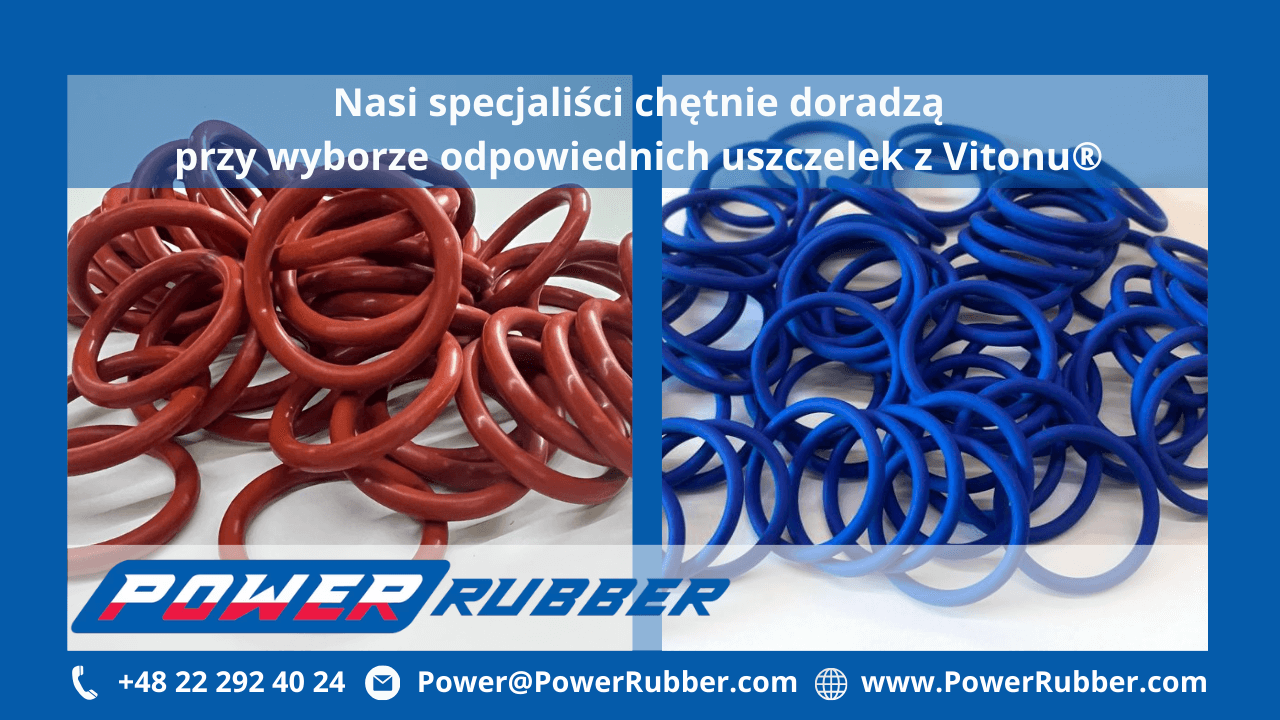
The choice of a gasket from the wide range of products made from the material known as fluorinated rubber, i.e. Viton®, should be based on knowledge of the basic classifications among available materials. It is worth familiarizing yourself with the individual categories that will allow you to choose the product ideal for specific applications.
In materials used for sealing, four families of Viton polymers for general use and high-performance are distinguished:
-
Type A (dipolymers VF2 / HFP) – products mainly used for general purpose sealing. Viton type A polymers can also be found in automotive greases. The declared polymer fluorine content is 66%.
-
Type B (terpolymers VF2 / HFP / TFE) – most often used in chemical installations and energy seals. The polymer fluorine content used is 68%.
-
Type F (terpolymers VF2 / HFP / TFE) – used in places where the sealing is exposed to concentrated inorganic aqueous acids, water, steam. The nominal polymer fluorine content is around 70%.
-
Special types, whose compositions include GLT, GBLT, GFLT and Viton® Extreme (copolymers TFE / propylene and ethylene / TFE / PMVE) – these highly specialized variants are used in the automotive field, oil exploration systems, special seals, and also in very harsh environmental conditions.
Using the above distinction, the choice of gasket type depending on the required application ensures an ideal match of the product to the needs. Such a division indicates the highly specialized applications of the entire Viton® product series.
Viton gaskets ®– where not to use them
Despite very wide applications, the manufacturer highlights specific cases in which Viton gaskets, due to their properties, may prove to be the wrong choice, because they do not show resistance to:
- glycol-based brake fluids (e.g. DOT3, DOT4 brake fluids, high boiling point fluids and hygroscopic fluids),
- pickling acid,
- chlorosulfonic acid,
- organic acids, for example thioctic acid and formic acid,
- polar solvents (acetone, butanone, dioxane),
- ketones (acetone, acetophenone),
- hot water steam,
- ammonia, amines
Importantly, their use is also not recommended in installations where the refrigerant R134a is used.
Why use Viton® / FKM / FPM gaskets?
The decision that the designer or maintainer must make regarding the selection of appropriate sealing when building or renovating an existing system at the company site involves consequences.
Using high-quality products, such as Viton items, helps reduce the risk of costly downtime in plants, as well as large financial expenditures in newly established projects for specialized companies. Sometimes the repair costs resulting from using improper substitutes for sealing products can far exceed the cost associated with ensuring uninterrupted operation of a production line.
Viton gaskets are a guarantee of proper operation of complex systems, even in the most difficult conditions, especially where technical seals play an important role. The product's self-lubricating properties also speak in its favor. It is worth remembering that such gaskets are characterized by amazing dimensional stability. Ensuring continuity of operation is one of the most important factors determining the correctness of choosing only the highest quality and most durable products.
FPM, FKM, VITON® – What are the differences?
Terminology in the category of products based on fluorinated rubber is not one hundred percent clear to everyone. When browsing catalog notes, informational brochures, leaflets or industry materials, you may encounter the above-mentioned terms. All of them sound completely different, which could suggest that they refer to different materials from which individual products are made.
Differences in the names result from the standards in which products made of this type of fluoroelastomer are embedded. The first name, FPM, refers to the International Organization for Standardization (ISO), which is a non-governmental organization uniting national standardization organizations to establish a common system of measures.
FKM, on the other hand, is the designation of the material to the general category of fluoroelastomers. It comes from the American ASTM - American Society for Testing and Materials. This is a non-profit organization that develops standards.
Viton® is, in turn, a registered trademark originating from DuPont Performance Elastomers. The material from which the discussed gaskets are produced was developed by the aforementioned chemical concern. Currently, Viton® FKM FPM is produced worldwide by many companies, including: Solvay, Halopoymer, Daikin Chemical, Dyneon (3M).
Production of rubber gaskets - How are Viton® gaskets made?
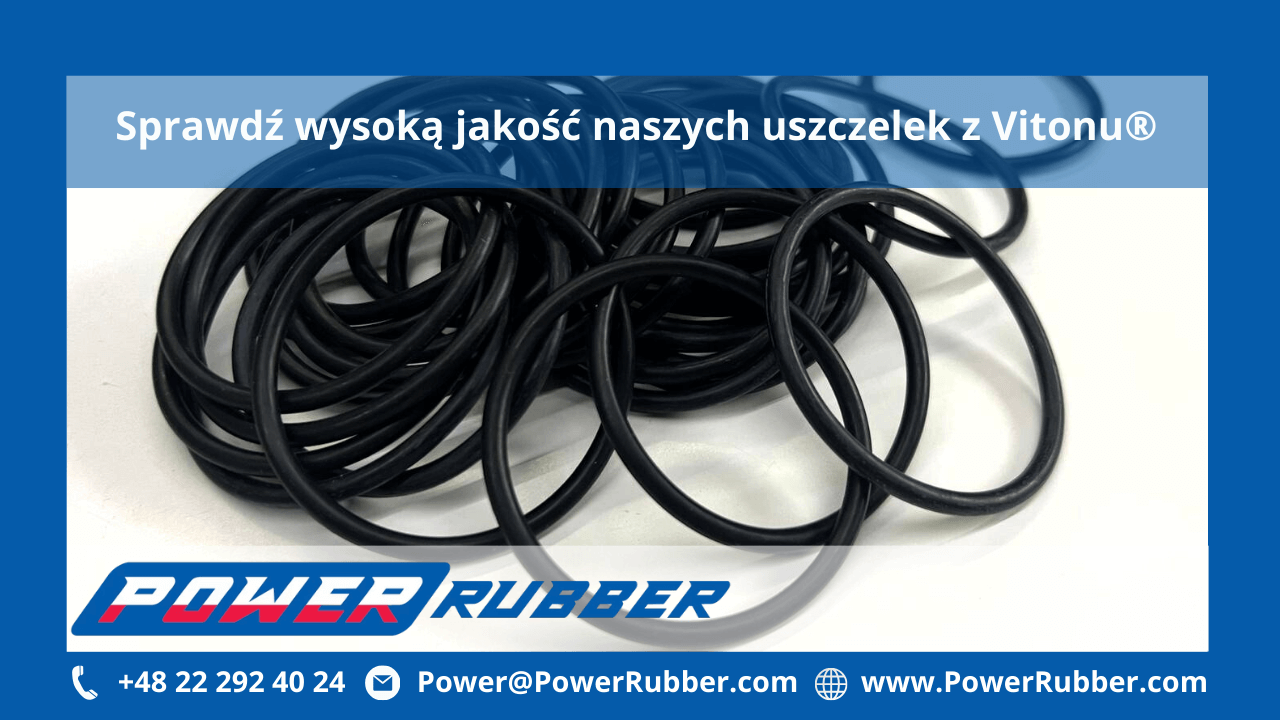
Fluorinated rubber undergoes a specific production process. The material is characterized by remarkable chemical properties, obtained by adding a certain amount of polymeric fluorine. Fluorine-based blends, depending on the type of further processing, are usually processed by compression molding or injection molding. It is possible to bond the material with metal - such a process requires vulcanization in an autoclave. Interestingly, due to the high macromolecular complexity, it is possible to use mechanisms such as ionic crosslinking. The final product is used wherever technical seals are needed. It is available in all popular sizes and shapes. CNC laser cutting is possible.
Where is it worth using Viton® seals?
The area of application depends on many factors. If the device requires a seal that exhibits low gas permeability - a seal made of fluorinated rubber will be a great idea. In a situation where the precision of the machine being constructed or modernized requires products that are characterized by dimensional stability, and also require resistance, e.g., to aromatic hydrocarbons, using a seal based on FPM/FKM will ensure durability and limit unnecessary interventions during the operation of the entire system.
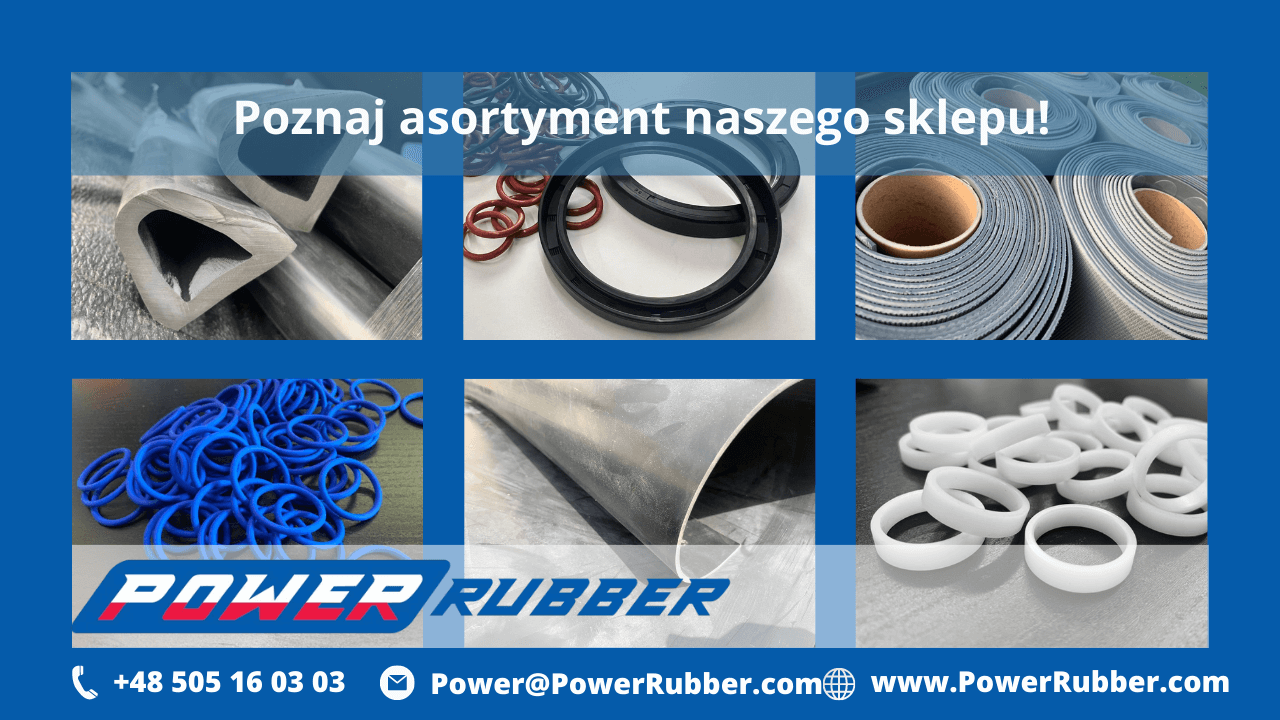
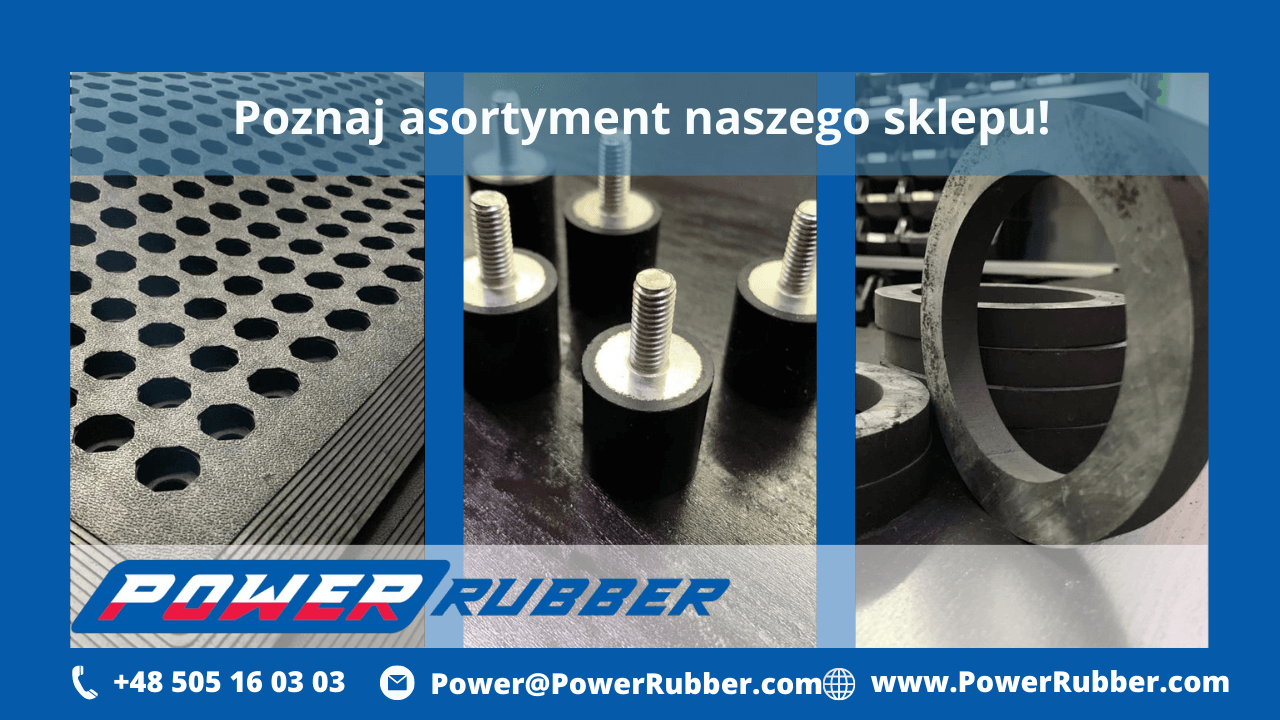
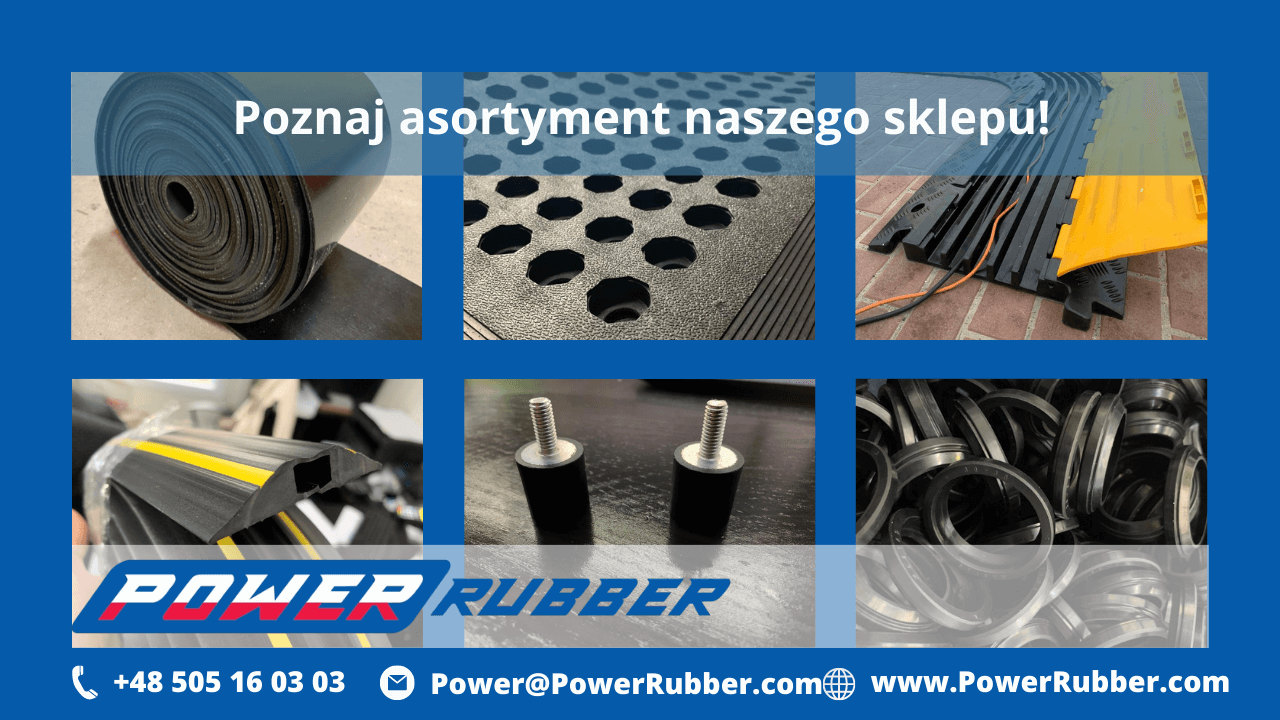
Viton technical seals - product available in the Power Rubber store
At Power Rubber we produce gaskets made of fluorinated rubber. The Viton seals we offer are an ideal choice in environments where extremely difficult conditions occur, such as:
-
high temperatures - the fluoroelastomer withstands temperatures from -20°C to +210°C;
-
aggressive chemicals - Viton products (e.g. o-ring, flat gaskets) are resistant to a range of chemicals (e.g. hydraulic fluids, engine oils, aromatic hydrocarbons);
-
other environmental challenges - Viton rubber products provide effective sealing in the presence of ozone, harsh weather conditions, mold, exposure to UV radiation.
Due to their exceptional properties, Viton products are used in various industries such as: aerospace, automotive, chemical, food, pharmaceutical, mining, and others.
We invite you to contact us at: +48 22 292 40 24 or +48 505 16 03 03, by e-mail (Power|PowerRubber.com| style="background-color: rgb(255, 255, 255); color: rgb(0, 91, 171); border-bottom: 1px dotted rgb(0, 91, 171); text-align: justify;"|Power|PowerRubber.com) or via our contact form.