How to cut gaskets quickly and easily: gasket scissors, machines, and other tools
Gaskets are essential in many applications, from automotive to construction. The choice of the right tool for cutting gaskets is crucial to ensure an accurate and clean cut, which translates into the durability and effectiveness of the seal. In this article we will discuss various methods of cutting gaskets, including gasket cutting shears, machines and other tools, to help you choose the best solution for your needs.
We invite you to use the precision cutting service for rubber gaskets and silicone gaskets offered by Power Rubber – we fulfill orders according to technical drawings or individual customer dimensions. Contact us by phone at +48 22 292 40 24 or +48 505 16 03 03, by e-mail (power|powerrubber.com| |Power|PowerRubber.com) or via our contact form
Types of gaskets
Gaskets come in various materials, shapes and sizes, which means that the appropriate tool must be used to cut them. The choice of tool depends mainly on the material the gasket is made of, as well as the cutting precision expected. Different tools will be suitable for cutting rubber gaskets and for silicone ones. Let’s take a closer look at some popular types of gaskets.
Silicone gaskets
Silicone gaskets are characterized by high temperature resistance and flexibility. For cutting silicone gaskets it is best to use appropriate tools, such as:
To cut silicone gaskets the following are used:
- A utility knife with a high-quality metal blade or a scalpel – ideal for thin sheets and small components; allows precise cutting provided a very sharp blade is used.
- A cutting plotter or oscillating knife – used for serial production or for more complex shapes; allows clean, repeatable edges without deforming the material.
- Waterjet cutting – the most accurate method for thick or complex silicone gaskets. A high-pressure water stream provides perfectly smooth edges without affecting the silicone's structure due to temperature.
- Laser cutting – used less often, mainly for thin sheets; requires an appropriate filtration system because fumes may be released during the process.
When cutting silicone, avoid blunt tools that can cause stretching or tearing of the edges. Precise cutting ensures proper fitting of the gasket and preserves its sealing properties.
Rubber gaskets
Rubber gaskets are widely used because of their flexibility and sealing ability. To trim a rubber gasket, you can use several tools, such as:
The most commonly used methods are:
- A snap-off blade or utility knife – for simple shapes and thin rubber sheets (up to approx. 2–3 mm).
- A steel die cutter – the most popular solution for serial production; enables repeatable shapes in a short time while maintaining high dimensional accuracy.
- A CNC oscillating knife – allows computer-controlled cutting of complex contours, eliminating the need to use die molds.
- Waterjet cutting – recommended for thicker rubbers or complex geometries; does not cause deformations and provides perfectly clean edges without burning.
Remember to be careful when cutting a rubber gasket and cut at the appropriate angle to avoid unevenness. For thicker rubber gaskets, a cutting machine may prove more efficient, providing even and accurate cuts.
It is not recommended to cut hard rubber with ordinary scissors or a hacksaw, as this may cause fraying or deformation of the edge.
Assembly gaskets
Assembly gaskets often require precise cutting to fit the given surface perfectly. Depending on the material the assembly gasket is made of, you can use gasket cutting shears, a knife, or a specialized machine. It is important to carefully measure and mark the cutting location before starting to ensure a perfect fit of the gasket during assembly. A properly prepared surface and accurate measurement are the keys to success.
What to use to cut silicone and rubber gaskets? Tools for cutting gaskets
Gasket cutting shears
Gasket shears are an indispensable tool in every technical workshop, service center or production plant where precise trimming of rubber and silicone gaskets is required. They allow quick and accurate adjustment of the gasket to size, which is crucial during assembly and maintenance of technical joints.
Professional gasket cutting shears should feature sharp blades and an ergonomic handle, which ensures comfort during work and full control over the cut. This makes it possible to obtain clean, even edges without fraying the material, which directly affects the tightness and aesthetics of the finished joint.
When choosing gasket cutting shears, it is worth paying attention to the tool's material. Models made of high-quality stainless steel ensure durability, corrosion resistance and long service life, even with frequent use. Such shears work excellently when cutting thinner rubber, silicone, EPDM or NBR gaskets, used in industry, automotive, hydraulics and the construction sector.
Thanks to their functionality, gasket shears are used in assembly, service and workshop tasks where precision and speed of processing matter. A properly chosen tool allows you to obtain an accurate shape and dimension of the gasket without the need to use cutting machines, making them a practical and reliable solution in everyday technical work.
Machines for cutting gaskets - cutting plotter CNC, WaterJet cutting
Machines for cutting gaskets are professional tools that provide high-quality and precise gasket cutting products, especially in serial production. Such a machine enables cutting gaskets from various rubber compounds of different thicknesses.
Using a gasket cutting machine is necessary when high precision and repeatability of cuts are required. Depending on the model, the machine can automatically trim gaskets at a specified angle, which is useful when installing complex gaskets. They can be found in specialist shops.
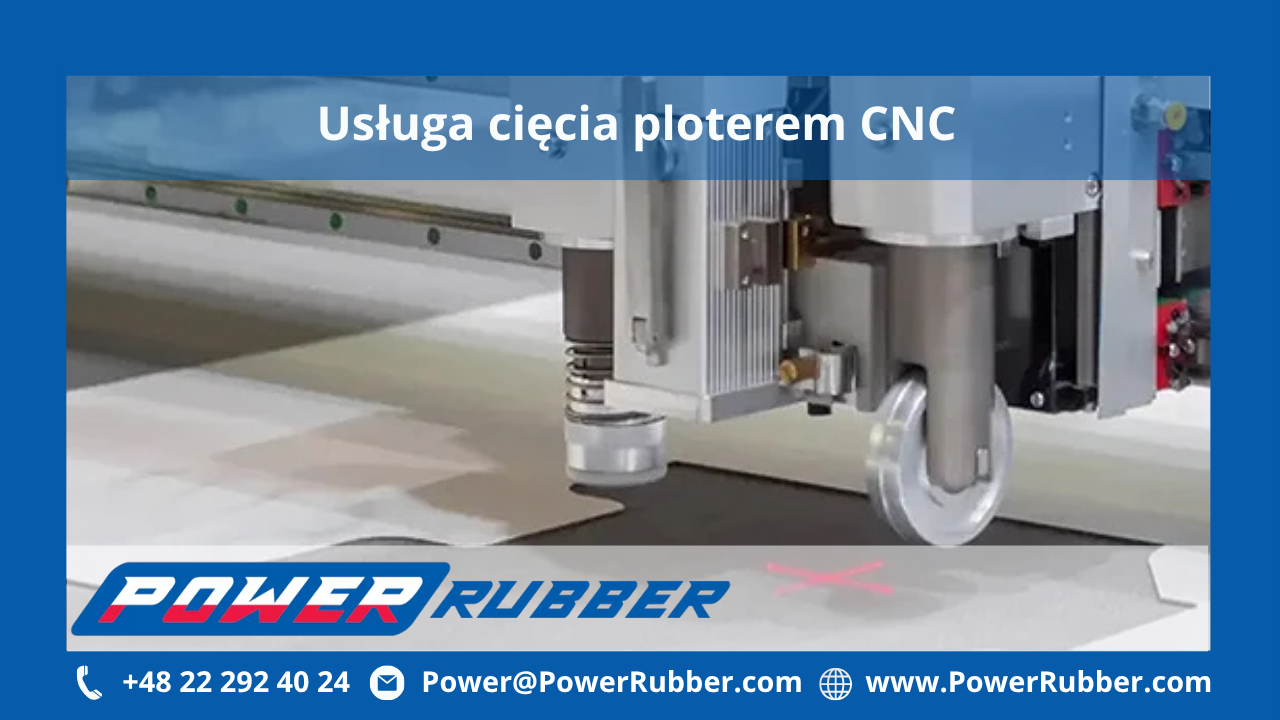
CNC plotter cutting
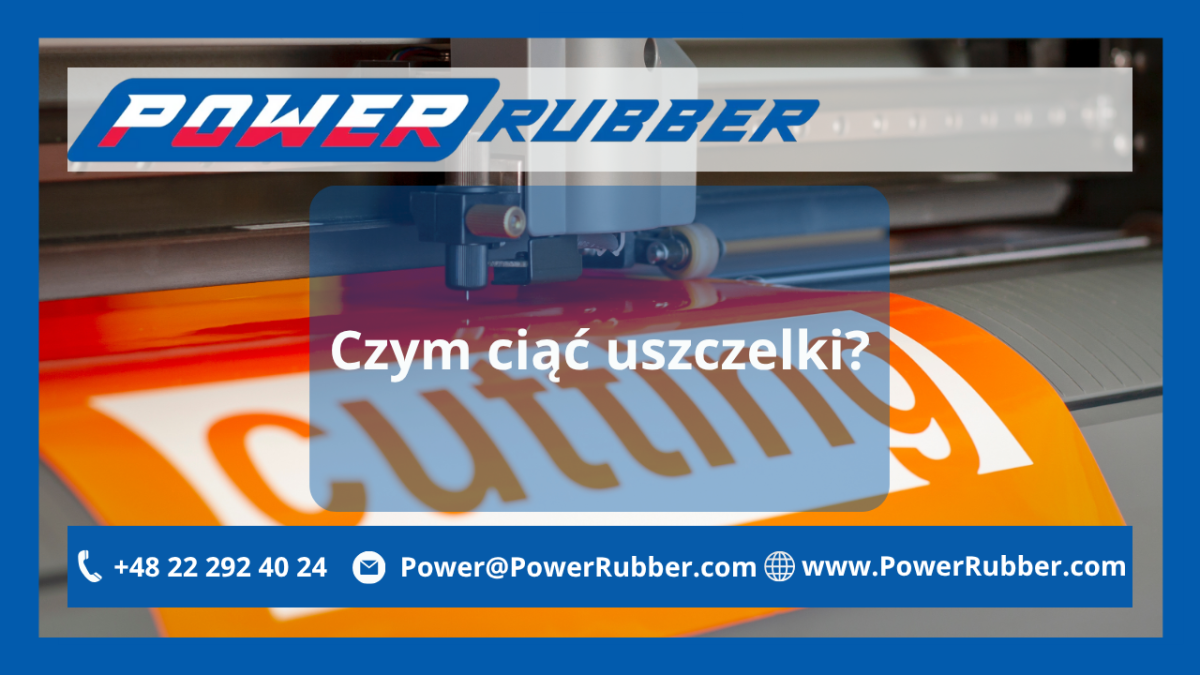
CNC plotter cutting is a modern processing method used in the production of rubber and silicone gaskets, offering the highest precision and repeatability of shapes. This technology is based on digital control of an oscillating knife, which enables accurate reproduction of even the most complex contours without the need to use die molds. Thanks to this, the process is fast, economical and ideal for both prototype series and short-run production.
CNC plotters allow cutting materials such as NBR, EPDM, SBR, Viton® (FKM) or VMQ silicone, guaranteeing smooth, clean edges without damaging the material structure. This technology minimizes waste and shortens order fulfillment time. CNC plotter cutting is a solution chosen by industrial sectors that value accuracy, repeatability and the possibility of producing custom gaskets with high technical requirements.
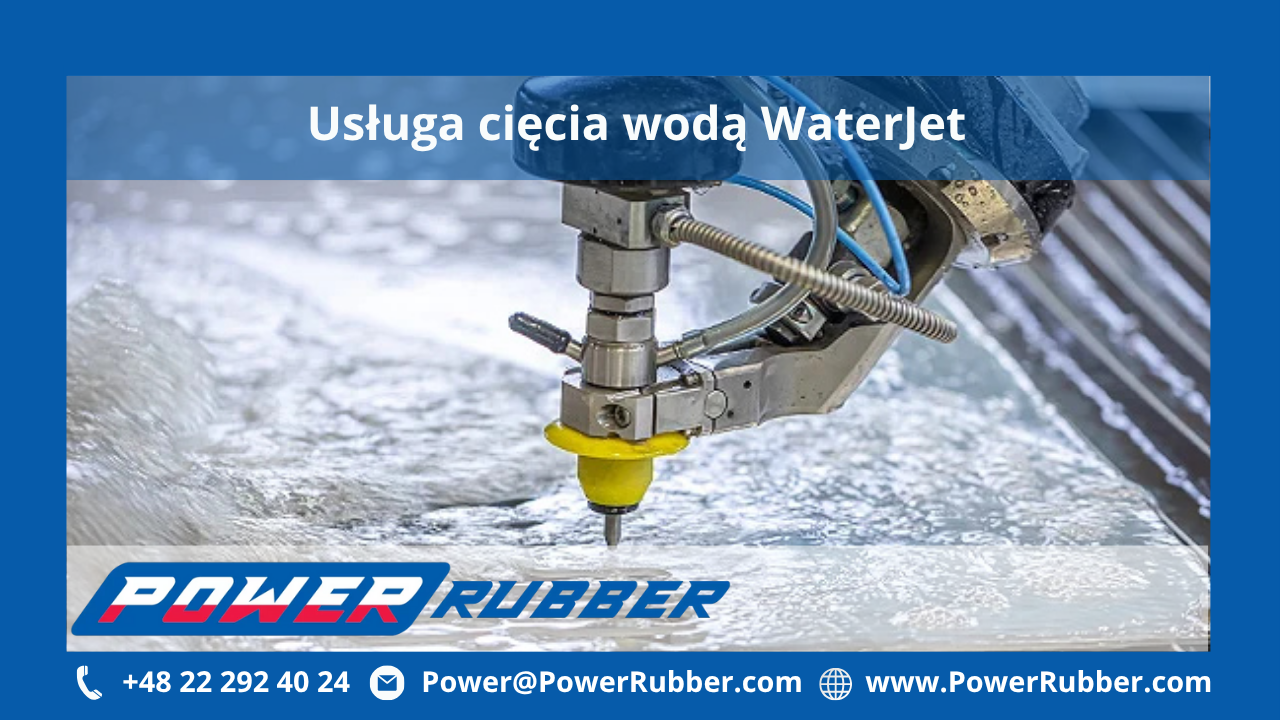
WaterJet cutting
WaterJet cutting is an advanced technology used in the production of rubber and silicone gaskets, allowing exceptionally clean and precise edges without affecting the material by temperature. The process is based on a stream of water at very high pressure, which with great accuracy cuts even thick and hard elastomer blends, such as NBR, EPDM, SBR, Viton® (FKM) or VMQ silicone.
The advantage of the WaterJet method is the ability to process materials of different hardnesses and thicknesses without the risk of deformation, burning or microcracks. This technology works excellently in the production of technical, flange and prototype gaskets, where the highest dimensional accuracy is required. Thanks to digital control, the process is repeatable and material losses are minimal. WaterJet cutting is the solution preferred by industries where precision, quality and reliability of the finished seal matter.
Gasket cutting techniques
Manual gasket cutting
Manual gasket cutting is the basic method, using a simple tool such as gasket cutting shears or a knife. This technique is appropriate for trimming smaller quantities of gasket, where very high precision is not required. It is important that the gasket shears are of high quality, which will ensure a precise product and avoid fraying of the material. Manual gasket cutting is commonly used in gasket installation, where speed and ease of use matter. This method works particularly well for rubber and silicone gaskets.
Cutting gaskets from sheet
Cutting gaskets from sheet requires the use of specialized tools and techniques. Die cutters or punches are often used, which enable precise cutting. This method is suitable for serial production of gaskets with repeatable shapes. The material from which the sheet is made is very important – it must be suitable for cutting with the chosen tool. Cutting gaskets from sheet is essential in many industry sectors where high quality and repeatability matter.
Cutting gaskets using power tools
Cutting gaskets using power tools, such as jigsaws or band saws, is an effective way to trim gaskets made of various materials. Using a machine provides greater precision and speed of cutting gaskets, especially for thicker materials or complex shapes. It is important to choose the appropriate blade for the given type of gasket – different for rubber, different for silicone. Power tools are essential in professional workshops where efficiency and a precise product matter.
Use of materials
Choosing gasket material
Choosing the material for a gasket is crucial for its functionality and durability. You should consider the working conditions of the gasket, such as temperature, pressure and contact with various chemicals. Rubber, silicone – each of these types of materials has its specific properties and applications. A well-chosen material will ensure the tightness and long-lasting performance of the gasket, which is essential in many applications. When choosing, it is worth visiting a specialist store.
Influence of material on cutting
The material from which the gasket is to be made directly affects the cutting process. Rubber and silicone require sharper tools to avoid frayed edges, while a sheet may require the use of a machine for cutting gaskets. The type of material determines what is best to use to cut gaskets – whether gasket cutting shears will be suitable or whether a more advanced tool is necessary. Choosing the appropriate gasket cutting technique is key to obtaining an accurate product.
Examples of gasket applications
Gaskets have wide applications in various industries and everyday life. In automotive they are essential for sealing engines and other components. In construction they are used to seal windows and doors. In hydraulics and pneumatics gaskets ensure the tightness of joints. The application of a gasket depends on the properties of the chosen rubber compound and the conditions in which the gasket will operate. Gasket installation is crucial to ensure the correct operation of a device or installation.
Precision cutting service for rubber and silicone gaskets - Power Rubber
The company Power Rubber specializes in professional cutting of rubber and silicone gaskets using modern technologies such as WaterJet and CNC plotter. Thanks to precise processing methods we ensure perfect reproduction of shapes and dimensional accuracy in accordance with the customer's technical documentation. Our technological facilities allow us to handle both single prototype orders and serial production for the mechanical, automotive, food and chemical industries.
We manufacture gaskets from various materials – NBR, EPDM, SBR, Viton® (FKM) and VMQ silicone, adjusting cutting parameters to the hardness and thickness of the material. We offer comprehensive service – from technical advice, through project preparation, to the production of finished sealing elements with high resistance and durability.
We invite you to contact us to discuss order details or for a quote: by phone at +48 22 292 40 24 or +48 505 16 03 03, by e-mail (power|powerrubber.com| |Power|PowerRubber.com) or via our contact form