
EPDM rubber sheets
RUBBER SHEET EPDM - Rubber sheets of ethylene-propylene diene rubber
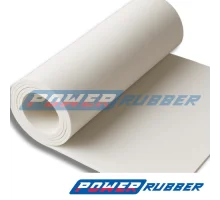
EPDM rubber sheets are sheets made from an EPDM rubber compound. They are characterized by resistance to thermal aging and UV radiation. The material is flexible, wear-resistant, durable and provides insulation against moisture. It is characterized by a long service life – it does not become brittle, nor does it crumble over the years. Due to its properties it is used in many branches of industry.
EPDM rubber sheets are rubber plates resistant to weather conditions. They are characterized by resistance to abrasion and to heavy loads. They are resistant to potassium and sodium alkalis as well as to cleaning agents. It is also worth adding that EPDM rubber sheets do not age under atmospheric conditions. They are also resistant to UV radiation and constant contact with water.
EPDM sheets are available in various thicknesses: 1 mm, 2 mm, 3 mm, 4 mm, 5 mm, 6 mm, 8 mm, 10 mm, 12 mm, 15 mm, 20 mm, 25 mm, 30 mm
As you can see, at POWER Rubber we offer a wide range of technical sheets made from an EPDM compound. We invite you to contact us to obtain an offer.
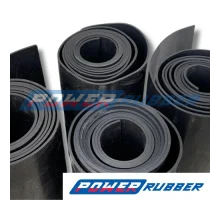
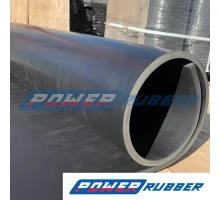
What are EPDM rubber sheets?
EPDM sheets are used in all branches of industry. The EPDM membrane is a material with a long service life, resistant to mechanical and chemical damage, as well as adverse weather conditions. EPDM rubber, thanks to its functionality, is ideal as a covering for flat roofs, terraces, balconies and basements.
EPDM What is it?
EPDM is a synthetic rubber that is produced in the polymerization process of ethylene, propylene and special additives (clay, oil and technical carbon black, sulfur, stabilizers). The rubber mass is subjected to thermal treatment and undergoes a chemical cross-linking process of polymer molecules, i.e. the so-called vulcanization process. During the vulcanization process chemical bridges are formed that create a three-dimensional and dense network. The density of the chemical bridges determines the mechanical properties of EPDM rubber.
EPDM Rubber Properties
- Elasticity (results from the molecular structure)
- Resistance to stretching and abrasion
- Resistance to damage
- Resistance to wear
- Shape memory
- High resistance to UV radiation
- Resistance to atmospheric conditions
- Resistance to moisture
- Fire resistance
- No chemical processes occur in it, the so-called "dead material"
- Does not discolor and does not stain other materials
- Safe for the natural environment
EPDM Roofing Membrane
EPDM Roofing Membrane is a versatile way to cover a roof, known for its durability and ease of installation. This functional solution performs well regardless of the weather conditions. EPDM roofing membrane is supplied in sheets or rolls. The membrane is resistant to strong wind gusts and exhibits excellent moisture insulation properties. EPDM rubber mat is ideal for a flat roof. Before installation, it is important to ensure that the roof surface is:
- smooth (free of rough elements and sharp edges);
- without gaps (all gaps above 5 mm should be filled);
- dry (remove water, snow from the roof surface before covering);
- clean (remove dirt and contaminants from the working surface).
EPDM terrace membrane
EPDM synthetic rubber flooring, thanks to its hydro-insulating properties, works well as a covering for balconies and terraces. EPDM terrace membrane can be attached to concrete, plastic, steel, and wood. It is free of plasticizers, making it environmentally friendly. EPDM rubber flooring provides long-lasting elasticity of insulation, does not shrink throughout its entire service life, effectively protecting the rooms located under the balcony or terrace from water.
What are the benefits of using EPDM rubber sheets?
EPDM rubber sheets (ethylene-propylene-diene monomer) are a material with wide application in industry and construction. Thanks to their unique properties they are extremely durable, resistant to weathering and chemicals. Why is it worth investing in EPDM rubber sheets? Discover their key advantages, here they are:
Resistance to weather conditions
EPDM sheets are characterized by high resistance to UV radiation, ozone, rain and extreme temperatures. Therefore they are an excellent choice for outdoor applications, such as roofing, sealing or insulation in ventilation systems.
High flexibility and durability
EPDM rubber is flexible and resistant to stretching, which makes it ideal for areas exposed to heavy use. It does not crack, does not harden and retains its properties for many years, which minimizes the need to replace the material.
Chemical resistance
EPDM sheets are characterized by high resistance to ozone, UV radiation and weather conditions, as well as good resistance to water and many diluted acids and bases. They are used in various industrial applications. EPDM is not a material recommended for contact with mineral oils, fuels and petroleum products due to the risk of swelling and deterioration of functional properties.
Thermal and electrical insulation
Thanks to their thermal insulation and dielectric properties, EPDM sheets are used in electrical installations and heating systems. They insulate excellently and protect against electrical surges and heat loss.
EPDM rubber sheets are a versatile and durable material that performs well in various environments. Their resistance to weather conditions, chemicals and extreme temperatures makes them an ideal solution for industry and construction. By choosing EPDM sheets, you invest in reliability and longevity.
Application of EPDM sheets in various industries
EPDM rubber sheets are a versatile material with a wide range of applications. Due to their resistance to weather conditions, chemicals, and mechanical damage, they are suitable for use in many industries. Here are the key areas in which EPDM sheets are used:
- Construction (roofs, insulation, seals)
- Automotive (gaskets, washers, shock absorbers)
- Chemical industry (seals for chemical tanks, washers, and insulation resistant to acids and bases)
- Agriculture (protective mats, linings for machinery and vehicles)
- Transportation (gaskets, cushioning elements)