
Rubber cord
Oring cords - Rubber seals and cords of NBR, EDPM, FPM, FKM and Silicone mixtures
Rubber cords are flexible and durable sealing elements made from various types of rubber, such as NBR, EPDM, CR, FPM / FKM, silicone. They are designed for sealing two surfaces, isolating against water, oils, and chemicals, as well as for dampening and reducing vibrations.
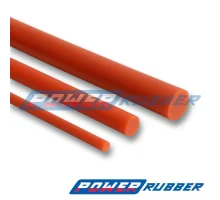
Rubber cords are available in solid and cellular forms:
Temperature resistance:
- NBR rubber cord: from -30°C to +90°C
- FKM FPM Viton® rubber cord: from -25°C to +210°C
- Silicone cord: from -45°C to +180°C
- EPDM cord: from -40°C to +110°C
- Neoprene cord: from -30°C to +100°C

The PE expansion cord is a specially designed filling for expansion joints. The purpose of the expansion joint is to prevent stresses,
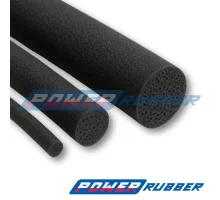
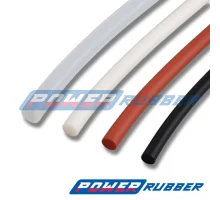
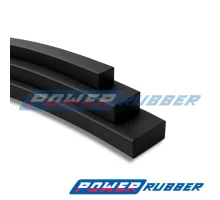
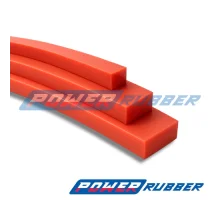
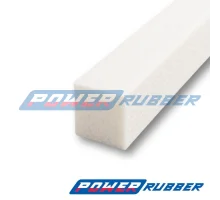
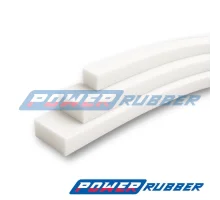
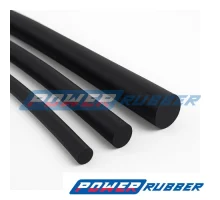
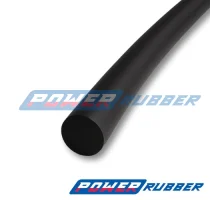
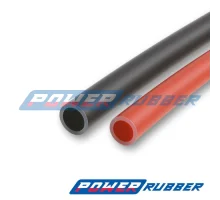
Types of rubber cords
Rubber cords are used primarily for sealing, cushioning and insulation. Depending on the material from which they are made, they can be used in various working conditions and branches of industry. The proper selection of a rubber cord depends, among other things, on the type of medium to be sealed, temperature, required chemical resistance and environmental conditions.
The wide range of rubber cords means that their type can be adapted to individual needs. The most popular rubber cords include: solid rubber and sponge (foamed) rubber cords. Solid cords are commonly used for sealing applications (these types of seals are most popular in sectors such as: construction, automotive, aviation). Sponge cords made of micro-rubber absorb shocks, reduce vibrations in machines and industrial equipment, which is why they are most often used for cushioning.
Rubber cords are produced from various types of elastomers, which provide them with exceptional properties as well as reliable and long-lasting performance in a given working environment.
NBR rubber cords (nitrile)
NBR is a rubber made from butadiene–acrylonitrile rubber. NBR rubber cords are used in areas where good resistance to vegetable oils, crude oil, mineral oil–based fluids, greases, and water is required. Durable and resistant in contact with aromatic hydrocarbons, most diluted acids and bases. NBR rubber cords withstand operation at temperatures ranging from -30 °C to +120 °C. Their advantages are low susceptibility to environmental conditions, a low level of deformation under pressure, and resistance to tearing. Solid NBR rubber cords are ideal for industrial, aviation, and electrical applications.
NBR material is not suitable for use in contact, among others, with glycol-based brake fluids, aromatics, lye, esters, ketones, and HFD-type fluids.
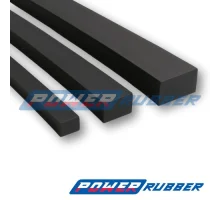
Square NBR cords
Intended for contact with petroleum derivatives, animal oils, vegetable oils, greases, hydraulic fluids, mineral oils, and petroleum-based substances. These types of rubber cords have good mechanical properties (resistant to deformation, low abrasion). Can operate at temperatures from -30 °C to +120 °C. Their advantage is compatibility with HFA, HFB, HFC fluids (HSA, HSB, HSC). They are not resistant to ozone or UV radiation. They exhibit low resistance to intense sunlight and atmospheric conditions.
EPDM rubber cords
EPDM cords are made of synthetic ethylene-propylene-diene rubber. Products made of this type of rubber are characterized by resistance to weather conditions, ozone, sunlight, UV radiation, moisture and water vapor. Thanks to these properties, rubber cords can be used successfully outdoors. Additionally, they are unaffected by the action of brake fluids and hydraulic fluids. EPDM is not resistant to greases, oils or fuels. It will withstand temperatures in the range from -45 °C to +120 °C.
EPDM sponge rubber cords
EPDM rubber cords are resistant to weather conditions, UV radiation and ozone, as well as the effects of moisture and water vapor. They are characterized by thermal resistance and excellent electrical insulation properties. EPDM sponge rubber cords are flexible and are excellent for sealing windows, doors or brake systems. The temperature range is from -30 °C to +120 °C. EPDM sponge rubber cords are not intended for contact with oils, petroleum derivatives, grease or fuel, nor with chemicals.
Fluorine cords FMK / FPM / Viton®
Viton / FPM / FKM rubber cords are characterized by their resistance to corrosive substances at elevated temperatures. They are resistant to oxygen, ultraviolet radiation, corrosive fluids, and ozone. They have good mechanical properties and exhibit a low level of compression set, as well as resistance to damage and the effects of extreme temperatures. FKM / FPM rubber cords do not allow gases to pass through. Their temperature range is from -25°C to even +210 °C.
Silicone cords VMQ/MVQ up to 200 °C / up to 300 °C
In our offer we have silicone cords that withstand high temperatures, characterized by a low toxicity index, resistance to the growth of bacteria and fungi, and thermal stability. Silicone cords with FDA certification are approved for safe use in contact with food and drinking water. They do not contain plasticizers. Thanks to their properties they are widely used in various branches of industry, such as: the food, medical, and pharmaceutical industries.
Both spongy (foam) and solid silicone cord also constitute a good electrical insulator. They are capable of retaining elasticity in a temperature range from -60 °C to +200 °C. The choice of this type of product depends on the hardness scale (from 40 ShA to 80 ShA). High-temperature silicone cords are also available, operating at temperatures from -60 °C to +300 °C. They are resistant to oxygen, nitrogen, and weather conditions. They are not suitable for contact with oils or solvents – they are not chemically resistant.
Square silicone cords
They are resistant to UV radiation, oxygen, sunlight, and ozone. Like round cords, they are resistant to biological and fungal attack. They have good electrical insulation properties. They are durable and have a wide operating temperature range (from -60 °C to +200 °C). They are not intended for contact with chemical substances. They are available in various hardness scales.
Chloroprene cords (CR)
CR is a rubber made from chloroprene, also called Neoprene. Chloroprene rubber cords are not prone to aging, weather conditions, or degradation as a result of exposure to ultraviolet radiation and ozone, which makes them well suited for outdoor use. They have excellent electrical insulating properties and a wide operating temperature range (from -40 °C to +110 °C). They exhibit moderate sensitivity to mild acids. These kinds of rubber cords have good mechanical properties and are also characterized by good resistance to fire and chemicals.
Applications of rubber cords
Rubber cords are very popular thanks to their resistance to abrasion and chemicals, as well as their elasticity and durability. Essentially, it is a gasket with a circular or square cross-section, which is often called a rubber cord or O-ring.
Rubber cords are an indispensable element used in various industrial sectors for:
-
sealing (installation of seals between two parts used to prevent the ingress of dust, moisture and other contaminants; seals, for example, gaps or uneven surfaces);
-
shock absorption (absorbs impacts, reduces vibrations in machines, devices and their components, and protects sensitive equipment from shocks and vibrations);
-
electrical insulation (they exhibit good electrical insulating properties), etc.
Depending on the cross-section and cord thickness (e.g. 30 mm, 35 mm, 50 mm), rubber cords find wide application in industry:
-
automotive
-
shipbuilding
-
food
-
oil
-
pharmaceutical
-
aviation
-
marine
-
medical
and also in the construction industry, automotive industry, households, sanitary installations, household appliances, agricultural machinery, construction or in everyday life (as seals for windows, doors, floors).
How to choose the right rubber cord for use?
The appropriate selection of a rubber cord should primarily take into account the conditions in which it will operate. The type of the sealed working medium, temperature, contact with fuels, oils or aggressive chemical substances, as well as exposure to UV radiation, ozone and weather conditions are of great importance.
The shape and dimensions of the cord are also important. Depending on the sealing design, a round, square or rectangular cord can be used.
The proper material and and cross-section of the cord should be matched to the specific application and the required durability of the seal.
The fate of rubber bands
Rubber cords are flexible seals made of various types of rubber, such as NBR, EPDM, or silicone. Depending on the chosen material, they are characterized by resistance to abrasion, chemicals, and weather conditions. They are intended for sealing, vibration damping, and isolation in various industries. They are available in various thicknesses, allowing for customization to specific applications.
Specialized rubber cord - types
Power Rubber can boast of an impressive technology park. It is there that a highly qualified team transforms innovative ideas into real products. In the rubber products market, we are one of the undeniable leaders. It is our knowledge that allows this industry to grow in strength and improve. We present you with a wide range of rubber cords. They have been produced in compliance with all health and safety regulations. Our cords stand out for their impressive quality and precision in manufacturing. Their flexible structure makes them resistant to mechanical damage, such as bending, cracking, or abrasion. We invite you to familiarize yourself with our offer.
In this category, you will find specialized rubber cords such as porous, sponge-like, neoprene, or silicone cords. Due to their technical specificity, they are resistant to both low and high temperatures, certain solvents, acids and bases, as well as adverse weather conditions.
Elastic cord Warsaw
You can find a wide range of rubber cords at POWER Rubber Shop near Warsaw. The available cords include both solid and porous rubber cords.
Rubber cords are an essential element used in various industrial sectors for:
- sealing (installing gaskets between two parts to prevent dust, moisture, and other contaminants from entering; seals empty spaces or uneven surfaces)
- shock absorption (absorbs impacts, reduces vibrations in machines, equipment, and their components, and protects sensitive equipment from shocks and vibrations)
- electrical insulation (exhibits good electrical insulation properties)
We offer rubber cords available in the following rubber compounds:
- NBR
- EPDM
- FKM/FPM/Viton®
- Neoprene®
- Silicone
Rubber cords - Warsaw, Pruszkow, Brwinow - available nearby at POWER Rubber
Power Rubber manufacturer offers rubber cords made from various rubber compounds, available in different diameters and hardness levels. Our store is conveniently located near Warsaw, allowing for quick access from the entire region. We guarantee technical advice, professional service, and efficient order processing.
Feel free to visit our Power Rubber store:
ul. Domaniewska 1
05-800 Pruszków, Poland
power|powerrubber.com| |power|powerrubber.com